
Cut flower variety
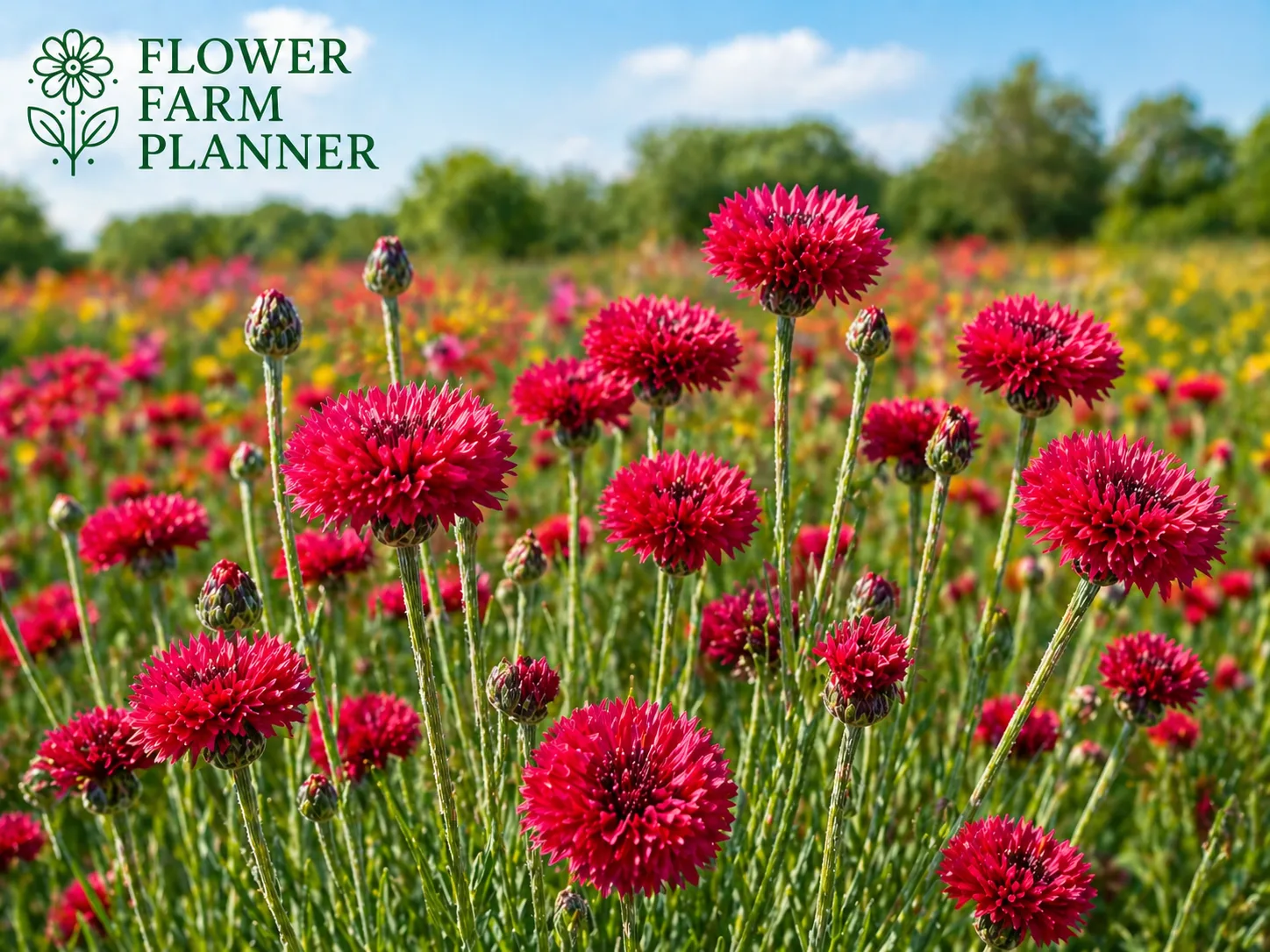
Bachelor's Button Red Ball
Centaurea cyanus / Bachelor's Button
Rosy-red tall double bachelor’s button with branching stems and fringed blooms for fresh bouquets, dried flowers, edible petals, pollinators, and warm cottage-garden design.
Overview
Why growers use it
Rosy-red tall double bachelor’s button with branching stems and fringed blooms for fresh bouquets, dried flowers, edible petals, pollinators, and warm cottage-garden design.
Floral use
Design and market fit
Role
Airy accent
Texture
Fringed, papery, ruffled, airy, light, slightly thistle-like, delicate, informal
Tone
Warm, bold, romantic, cottage-style, berry red, vintage red, mid-to-deep tone, stronger than pink but softer than true scarlet
Form
Small to medium fringed cornflower blooms on upright branching stems; commonly double to semi-double in the Ball strain seed trade
Bouquet fit
Cottage, wildflower, red, berry, burgundy, blush, cream, ivory, antique, romantic garden, farmers market, rustic, Valentine, summer, spring, meadow, edible flower
Event use
Weddings, farmers markets, subscriptions, Valentine’s Day, spring and summer events, berry and burgundy palettes, edible flower garnish work, tea blends, pollinator-themed events, pressed flower projects, cottage-garden bunches
Color notes
Red Ball is valued for a warm rosy-red to carmine-red colour range in a classic double cornflower form. It pairs well with cream, white, blush, soft pink, burgundy, plum, apricot, peach, chocolate, deep blue, lavender, dusty rose, and antique cottage palettes. Expect natural seed-grown variation within the red-to-carmine range.
Choose a variety
Other varieties in this crop
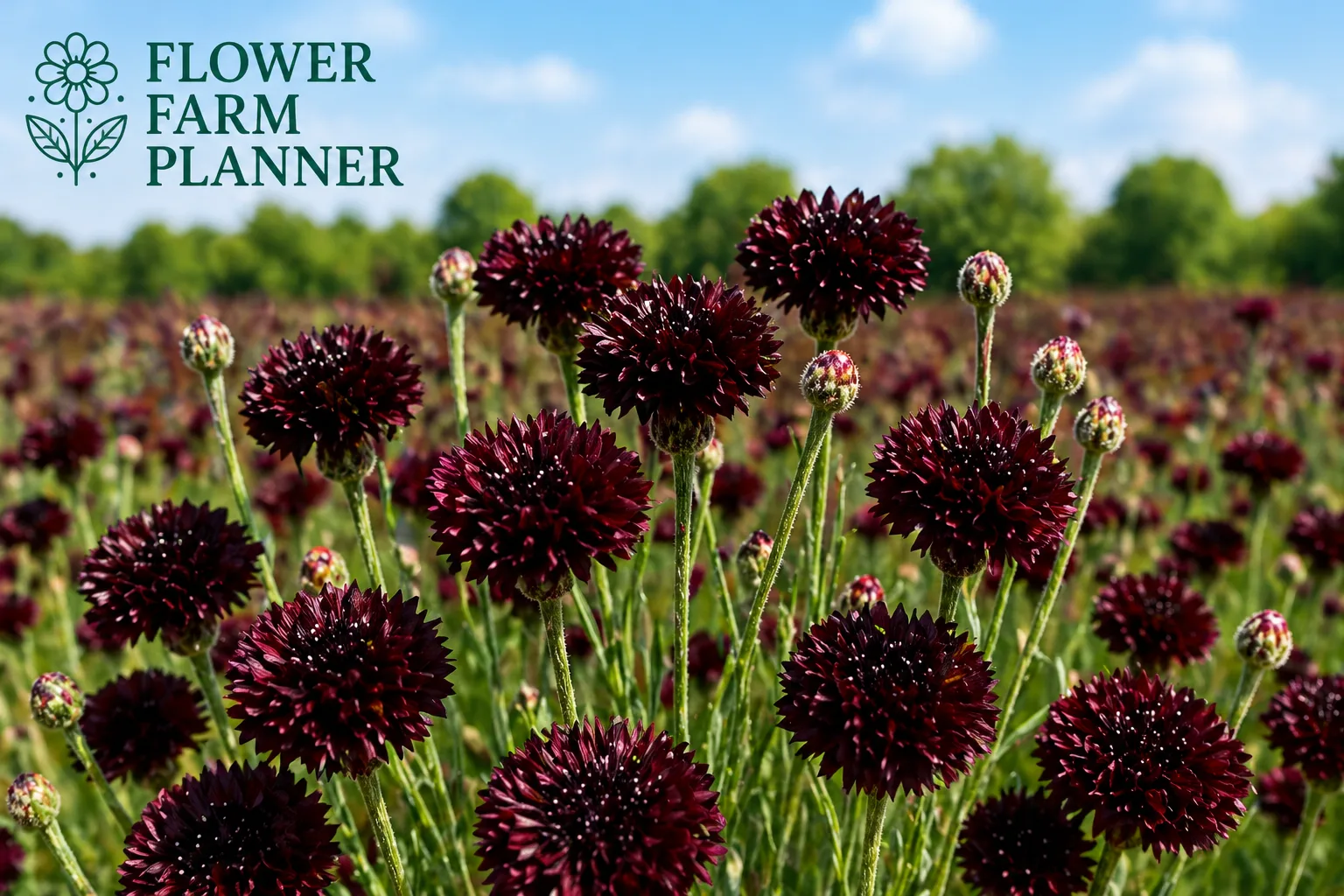
Bachelor's Button Black Ball
Blue / Filler
Bachelor’s button is a fast, cool-season hardy annual that gives flower farms one of the rarest and most useful bouquet colors: natural blue. It is simple to grow from seed, attractive to pollinators, useful fresh or dried, and easy to fit into cottage-style bouquets. Its limitation is not beauty but labor and price; stems are small, branched, and often slower to cut than higher-value focal crops. The best farm use is as a controlled accent crop planted in modest successions for blue color, edible petals, dried flowers, and natural confetti.
Open variety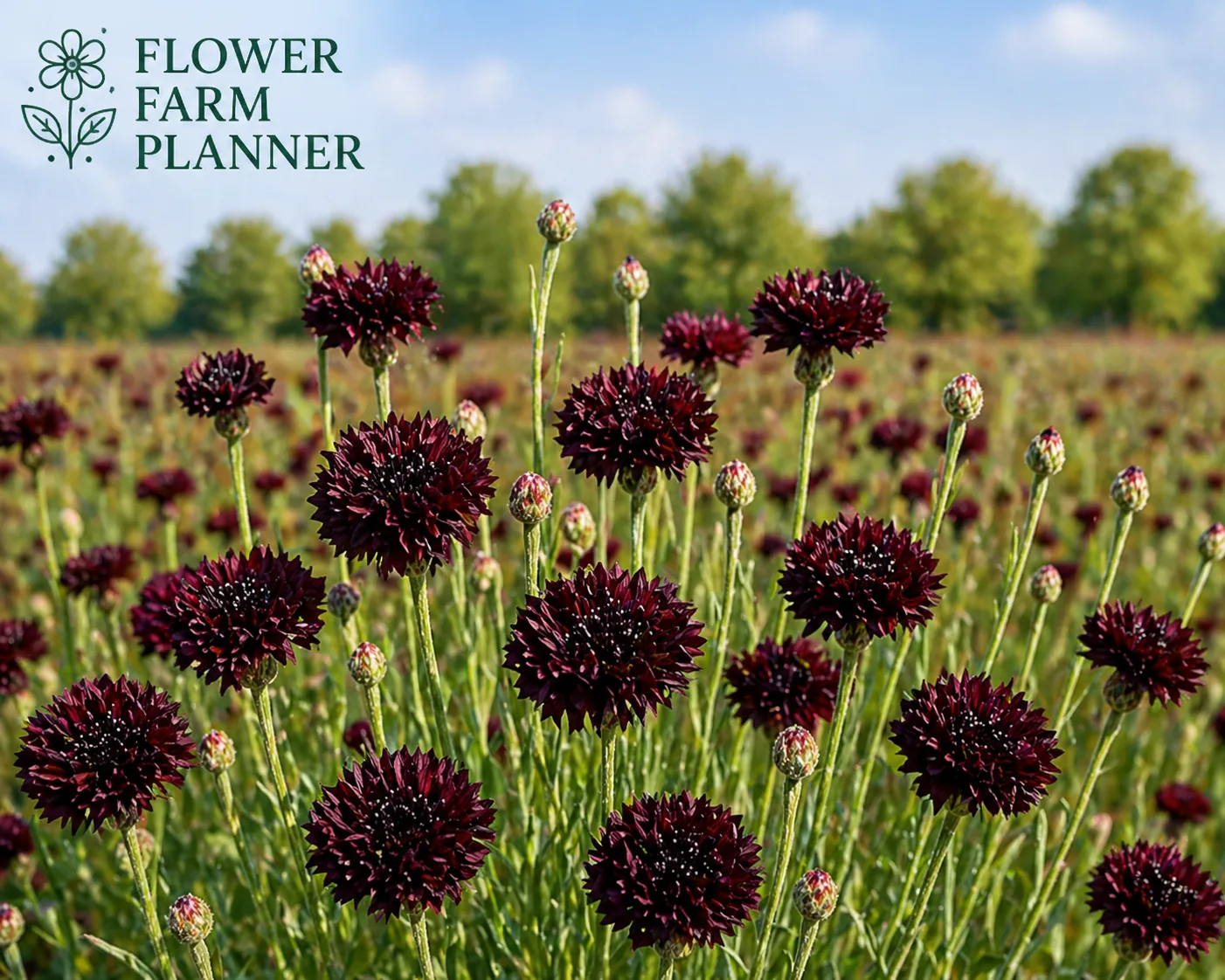
Bachelor's Button Black Boy
Burgundy / Airy accent
Old tall double bachelor’s button with deep maroon, almost black blooms for moody bouquets, wildflower bunches, edible petals, and dried accents.
Open variety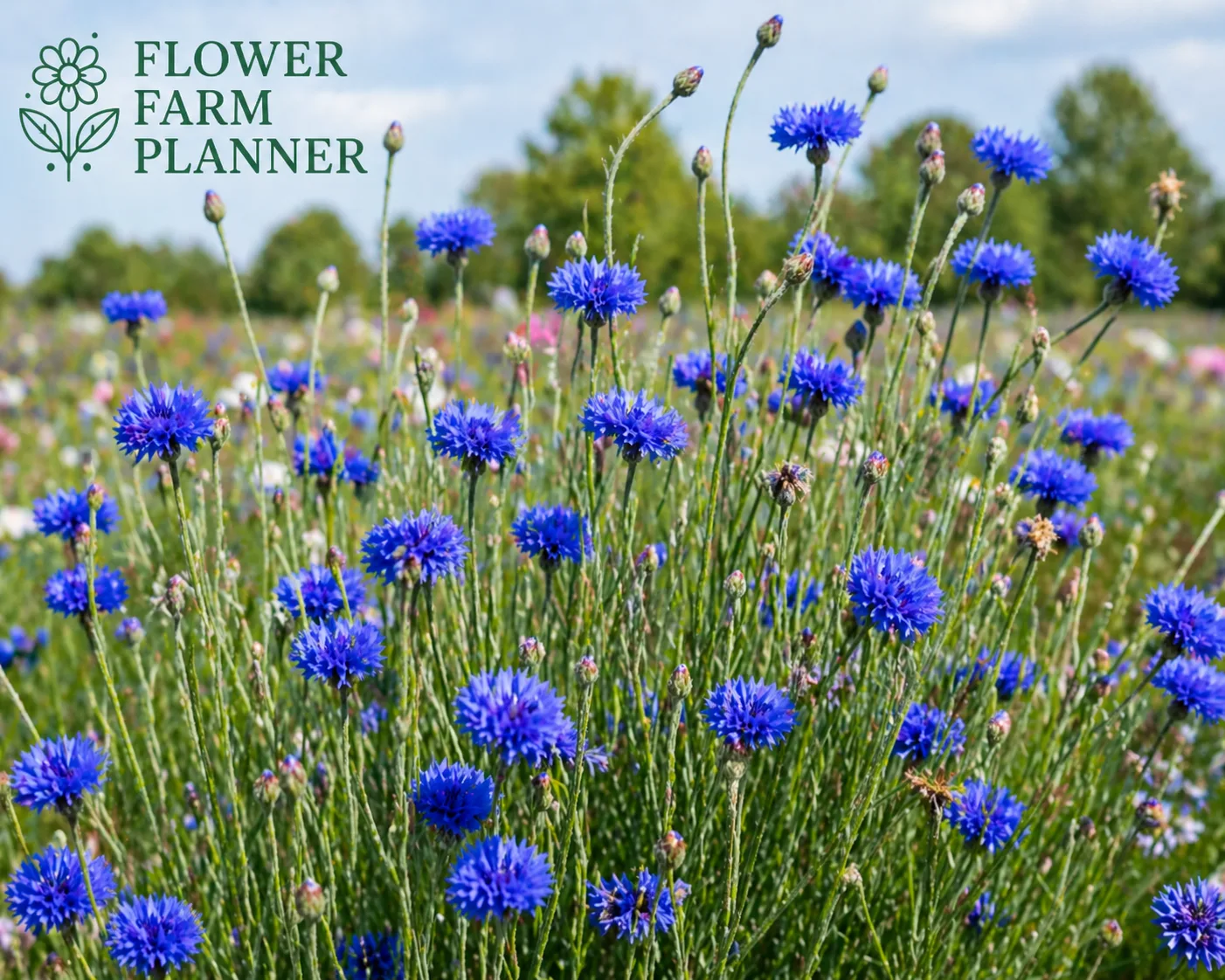
Bachelor's Button Blue Ball
Blue / Airy accent
Classic double cornflower-blue bachelor’s button for airy bouquet texture, edible petals, pollinator flowers, and dried accents.
Open variety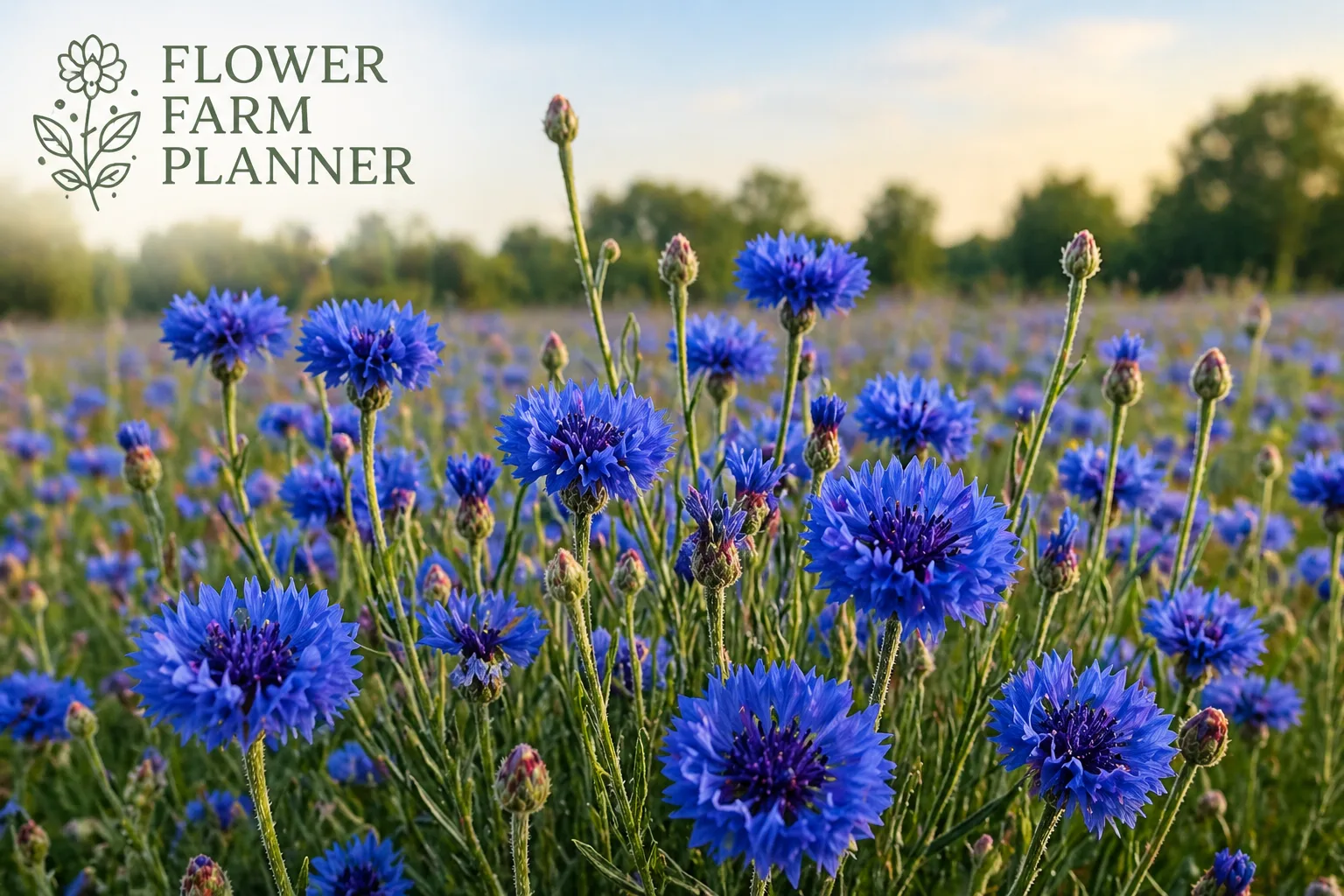
Bachelor's Button Blue Boy
Blue / Airy accent
Classic tall double blue bachelor’s button for airy bouquet texture, edible petals, pollinator flowers, and dried accents.
Open variety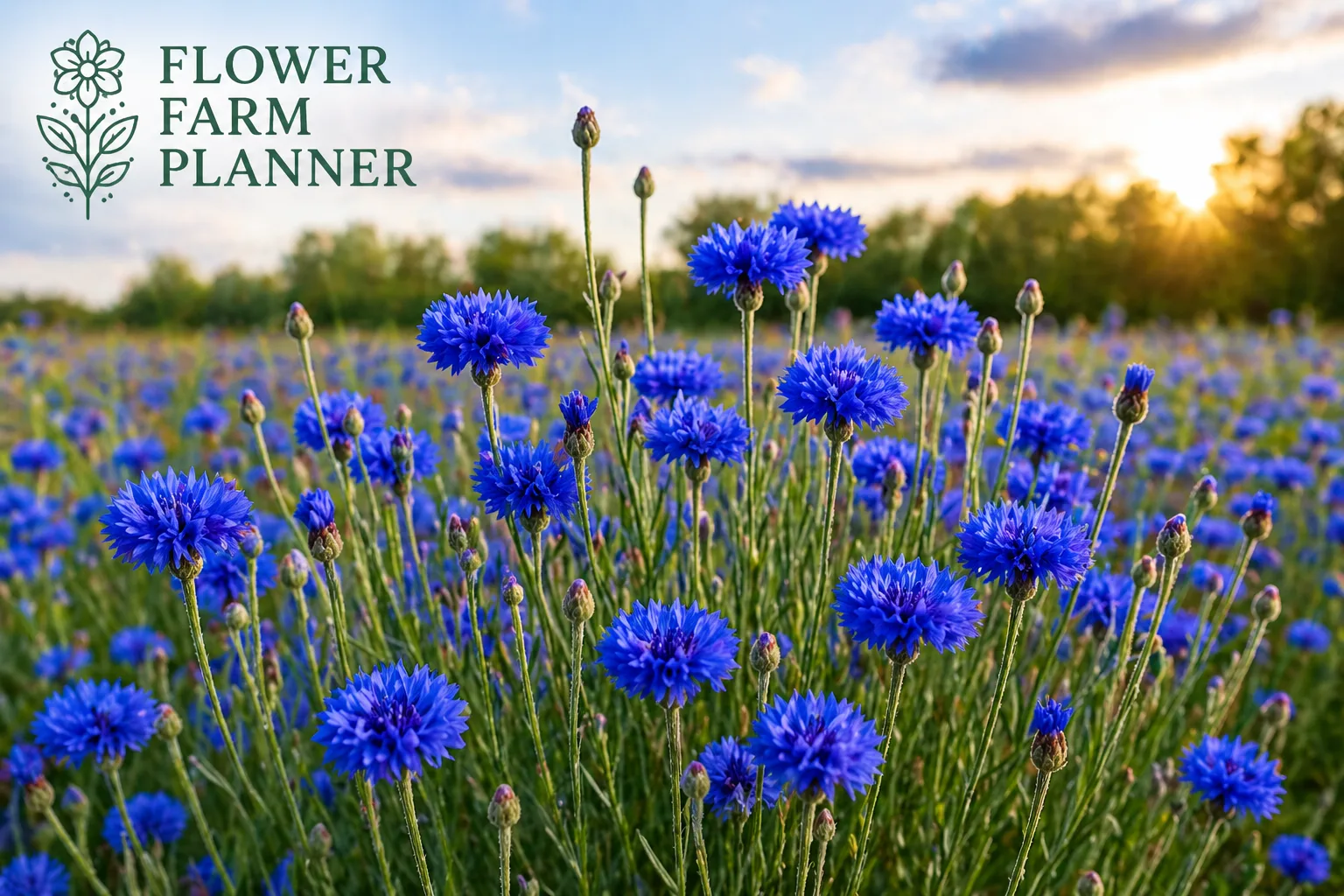
Bachelor's Button Blue Crown
Blue / Airy accent
Tall royal-blue double bachelor’s button for long-stemmed cut flowers, edible petals, pollinator plantings, dried accents, and cottage-style bouquets.
Open variety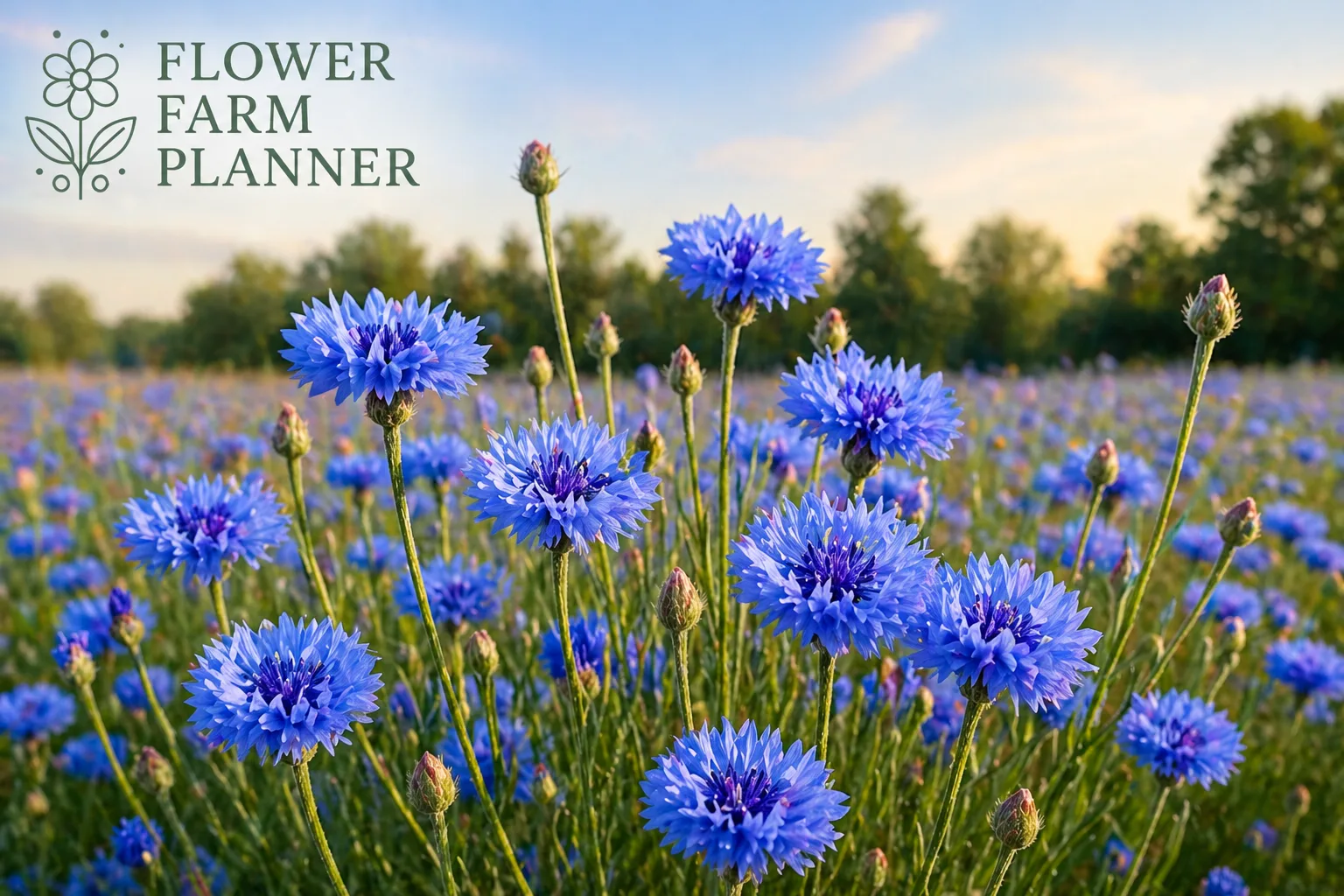
Bachelor's Button Blue Diadem
Blue / Airy accent
True-blue double bachelor’s button with violet centres for cut flowers, edible petals, pollinator plantings, dried accents, and cottage bouquets.
Open variety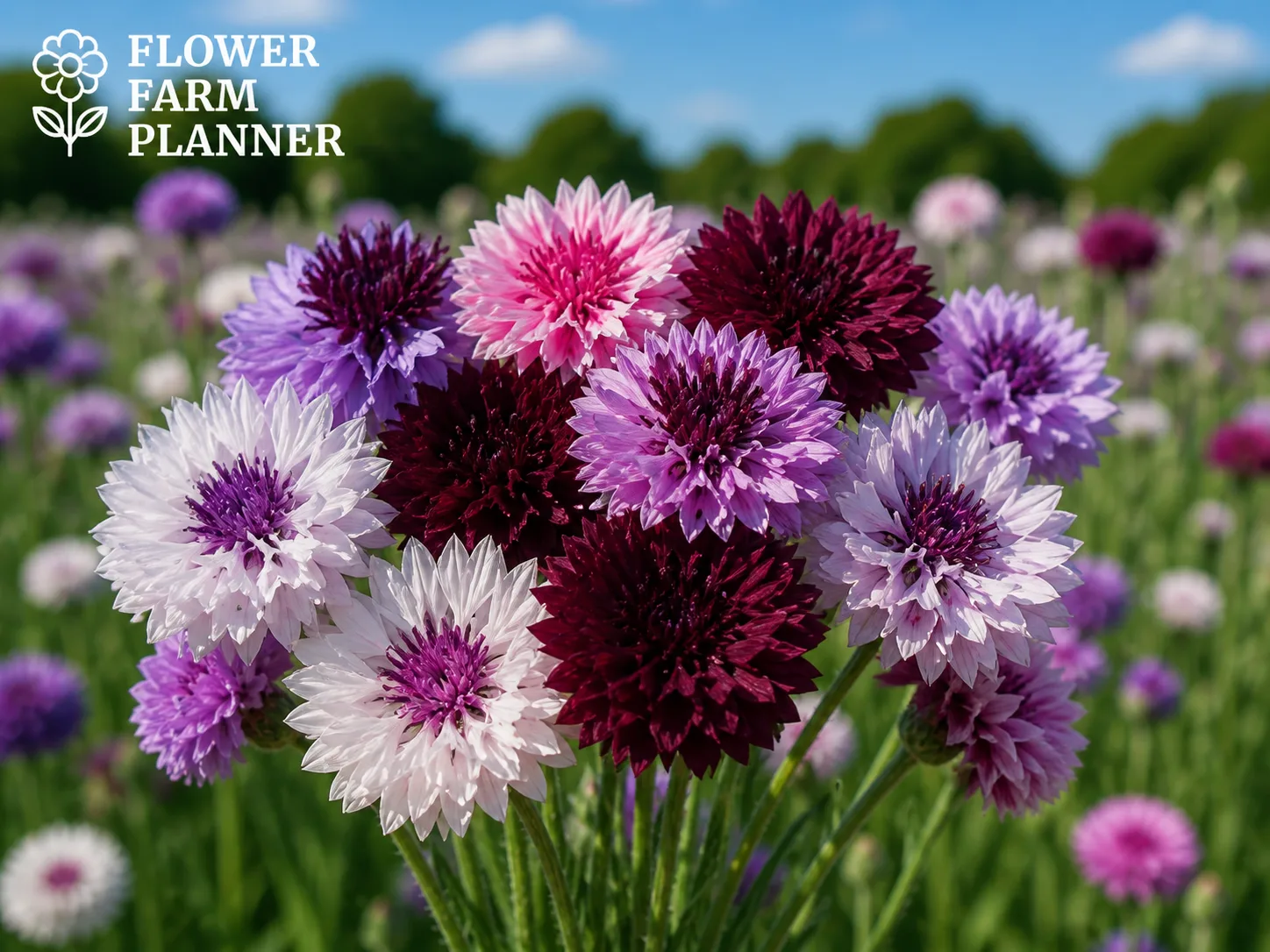
Bachelor's Button Burgundy Beauties
Burgundy / Airy accent
Burgundy, violet, lavender, dusty rose, and bicolor bachelor’s button mix for cut flowers, edible petals, pollinator plantings, dried accents, and romantic cottage bouquets.
Open variety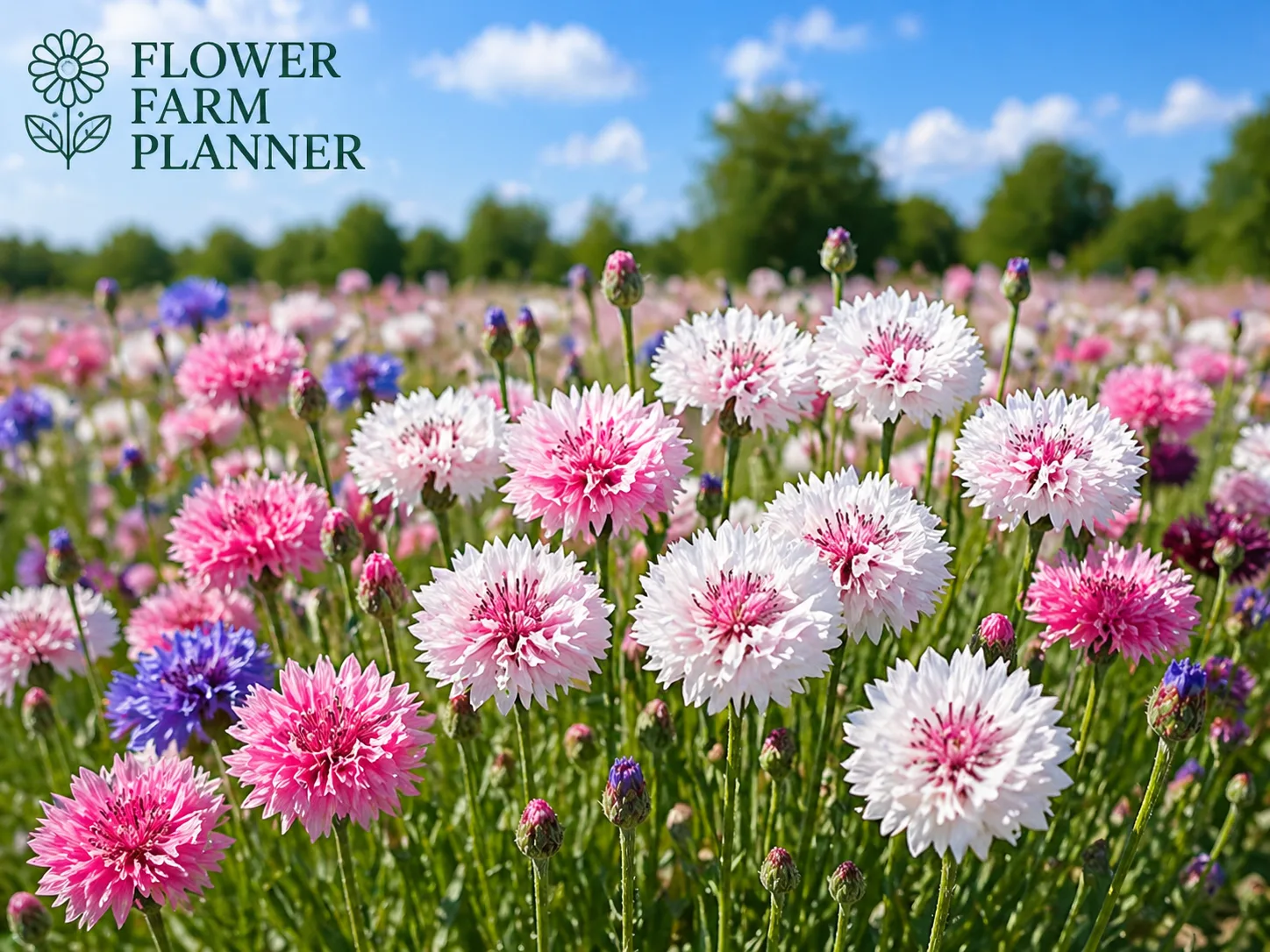
Bachelor's Button Classic Fantastic Mix
Blue / Airy accent
Frosted sapphire, pale blue, dark blue, and blue-white bicolor bachelor’s button mix for cut flowers, edible petals, pollinators, wedding accents, and cottage bouquets.
Open variety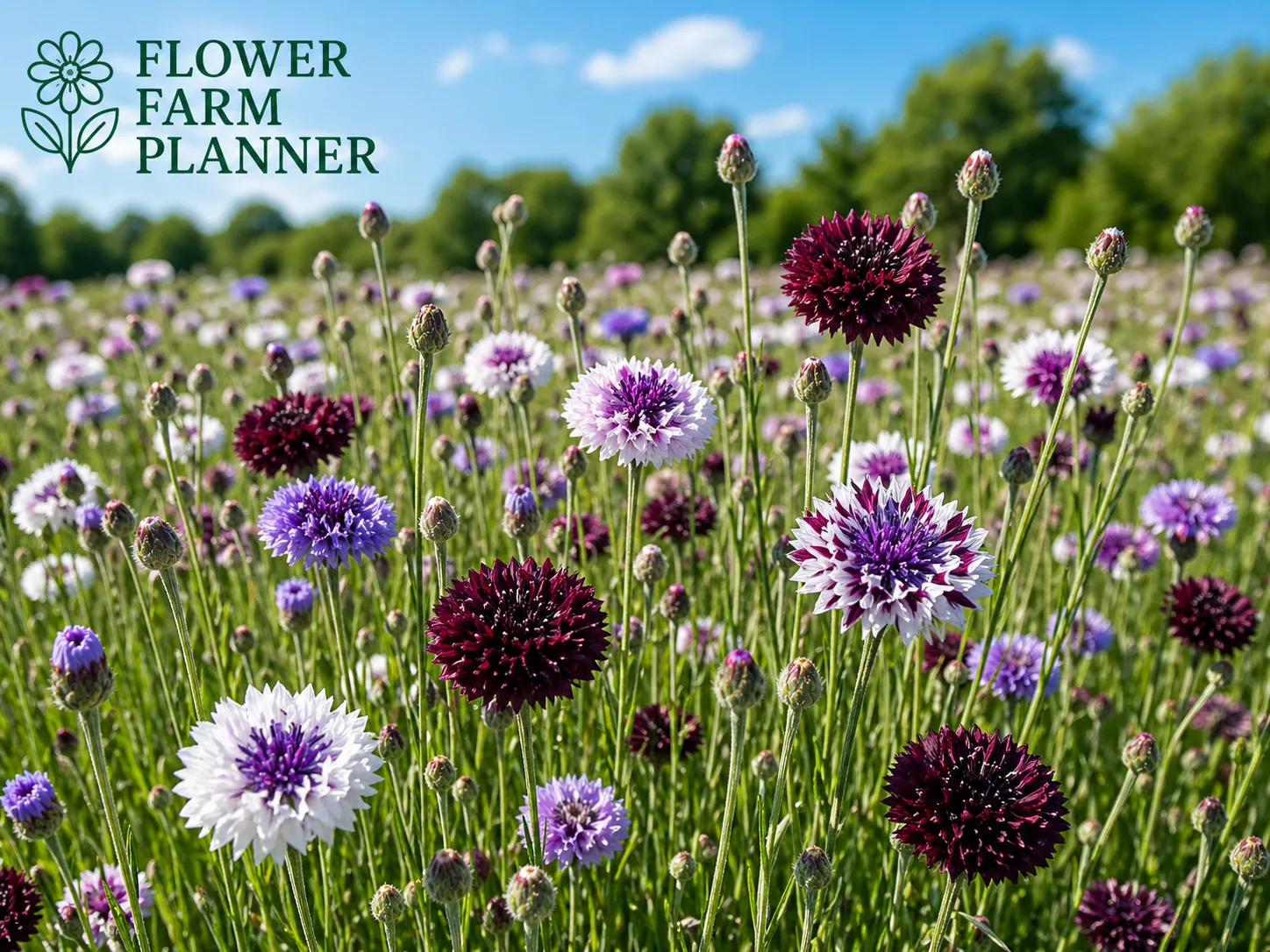
Bachelor's Button Classic Magic Mix
Purple / Airy accent
Black, deep plum, purple, lavender, white, and purple-white bicolor bachelor’s button mix for cut flowers, edible petals, pollinators, wedding accents, and cottage bouquets.
Open varietyPlan with Flower Farm Planner
Full planning data inside Flower Farm Planner
The planner includes crop spacing, sowing dates, yield estimates, harvest handling, pricing, profit, and planning tools.